
SMM DRUG editorial team · published · updated
SMM in the restaurant business
How cafes and restaurants turn Instagram and TikTok into a measurable path to a visit through content, location, creators and analytics.
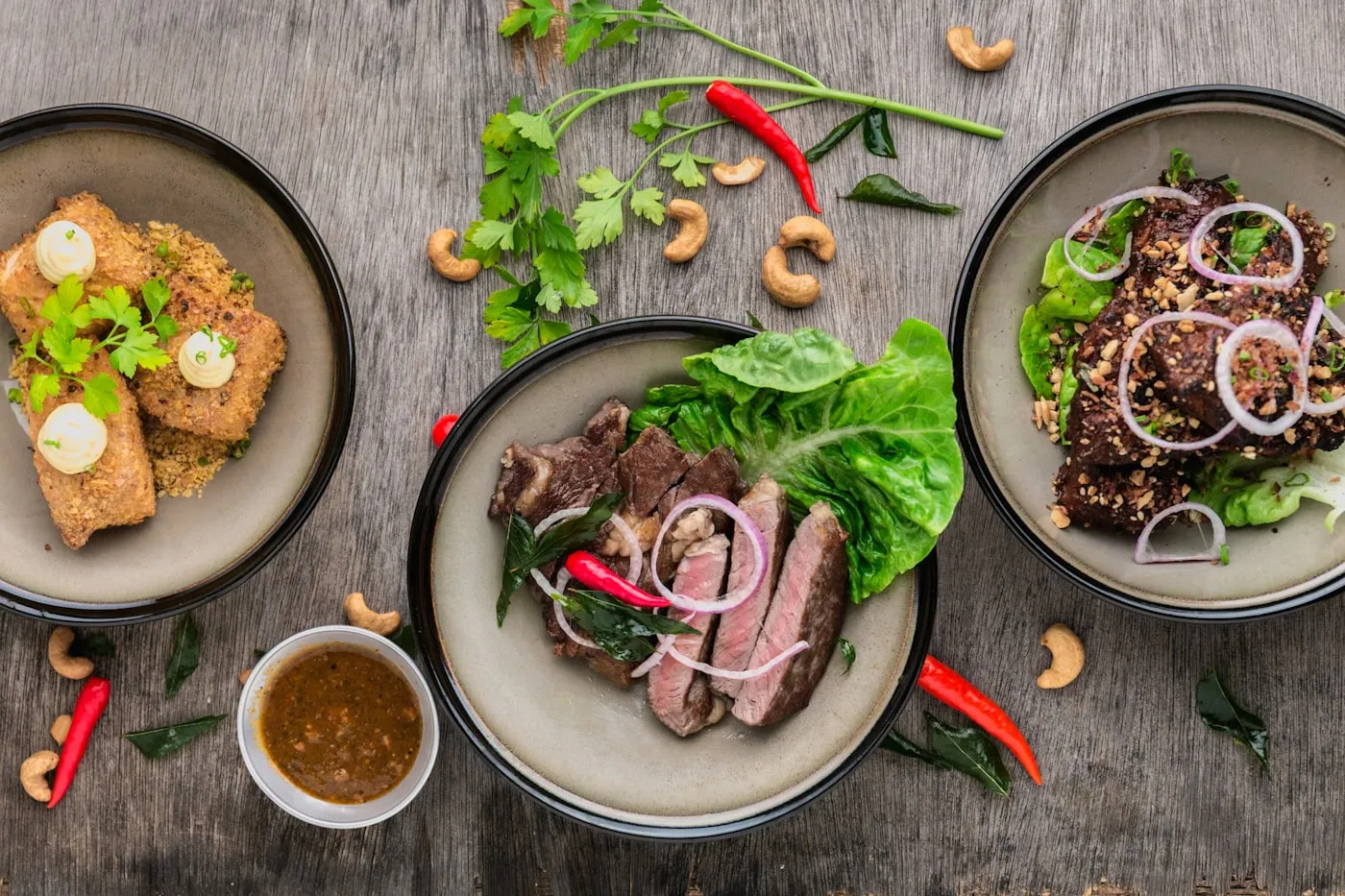
Before visiting, guests often check a restaurant on Instagram, maps and review platforms. The account is therefore not just an album of pretty photos but one of the touchpoints in choosing and booking. This article connects content, local promotion and creator partnerships to measurable actions: map taps, calls, bookings and return visits. The formats and benchmarks below are starting hypotheses; the exact plan depends on the concept, unit economics and test data.
Why a restaurant needs social media: from storefront to bookings
Restaurant SMM has three clear jobs, and it is important not to mix them up. The first is awareness: so that when someone says 'where should we go for dinner,' your name pops up in their head. The second is the 'go / don't go' decision: the guest has already seen you on the map or via a blogger and opens the profile to check they won't regret it. The third is repeat visits: reminding regulars about a new menu, a seasonal offer or the weekend brunch.
The main mistake is measuring an account only by likes. Food service also needs metrics closer to a visit: map and route taps, 'Call' and 'Book' actions, table enquiries, menu saves and shares. A post with lower reach but real bookings can therefore be more valuable than a visually popular post with no downstream action.
The funnel is simple: a person sees content (feed, Reels, ads, a blogger) → opens the profile → checks the address, hours, prices and atmosphere → builds a route or books. Your job in SMM is to walk them through this chain without breaks. If there's no address in the profile, the average check is unclear, or the last post is two months old — the guest moves on to the neighbouring venue that has everything in place.
Content that fills the room
A restaurant content plan should use more than dish photography. Vertical video is useful for showing cooking, texture, atmosphere and the team, while static publications help people scan the menu and proposition. Which formats bring more valuable actions for a specific venue is decided from retention, visits and bookings.
Assign formats to tasks instead of posting at random. Reels and TikTok can introduce the venue to new audiences, the feed can act as a storefront on the first profile visit, and stories can carry timely reasons to visit, such as today's special or available tables. Treat the share of each format as a hypothesis and adjust it from data rather than a universal ratio.
- Appetising close-ups of dishes and drinks — shot in the right light, without yellow tungsten tints; this is the foundation of menu content
- Processes and behind-the-scenes: making the signature dish, roasting coffee or kneading dough; test Reels length by retention
- People and atmosphere: guests, the barista, the chef — a human face inspires more trust than an empty interior
- Value and season: 'where to go for breakfast' roundups, new menu items, seasonal drinks, holiday sets
- UGC — reposting stories of guests who tagged you: free and the most convincing content
- Direct offers such as business lunch, happy hours or weekend brunch; balance their frequency with useful and brand content using audience response
Geo and local promotion in Almaty
A restaurant is a hyper-local business: you don't need followers from Astana or Shymkent, you need people who live and work within a couple of kilometres. That's why geo setup matters more than the number of followers. Start with the foundation that often gets forgotten: a geotag of the venue in every post and story, a filled-out card on 2GIS and Google Maps with up-to-date hours, a link to the profile and fresh photos, one consistent address and phone everywhere.
Paid social for food service follows the same local logic. Treat radius, interests and time of day as test hypotheses: a neighbourhood coffee shop and a destination restaurant need different settings. For agency work, we recommend a media budget from USD 500 per month on one platform; within it we compare location, offers and delivery times, then scale after enough data has accumulated.
- A geotag and district hashtags (#алматыеда, #almatyfood, the name of the neighbourhood) — in every publication
- Cards on 2GIS and Google Maps: up-to-date hours, menu, photos, replies to reviews — this is the first screen a guest sees
- Targeting by radius around the venue + interests + time of day for a specific offer
- Links with aggregators: Glovo, Wolt, Chocofood — for those who won't come in but will order home
- Local Almaty bloggers and city pages instead of expensive million-follower accounts from another city
Bloggers and collaborations without draining the budget
Creator marketing makes sense when an author's audience matches the restaurant's geography and concept. Account size alone does not predict bookings: a local creator with an engaged audience may be more useful than a large account whose reach is spread across regions.
Choose the collaboration model by task: barter, a paid integration or a series of posts with a promo code. Follower bands and market rates change, so assess the price from actual reach, audience location, content quality and usage rights. Fit and a measurable path to booking matter more than the number of placements.
Before you start, vet the blogger properly: real engagement (likes and comments relative to reach, not the follower count), the audience's geo tie to Almaty, the adequacy of comments, past integrations with food service and their response. Agree on something measurable: a promo code or a unique link so you can see how many guests actually came, rather than taking their word for it.
- Almaty micro- and nano-bloggers with a local audience matter more than the reach of million-follower accounts
- Choose barter or paid placement from reach, audience, format and content usage rights
- Check the audience's engagement and geo, not just the follower count
- A promo code or UTM tag on every integration — to count guests, not likes
- The brief for the blogger: a geotag, a profile tag, a 'book / come by' call to action, no dry retelling of the menu
Launching the account in 30 days: step by step
For social media to support the path to a visit, you need a system rather than one-off spikes. The plan below is a first-month example that is adapted to team capacity, seasonality and audience response. The standard SMM DRUG package includes 12 publications in total, including up to 8 Reels; a custom volume is calculated separately.
Separately about resources. You can run it yourself if you have a person who films on a phone every day and doesn't burn out within a month. But quality food content, Reels editing and ad setup take time and a trained eye — this is where a team like SMM DRUG takes over the filming, the account and the advertising, while you handle the kitchen and the room. This is exactly the point where SMM stops being 'posting' and becomes a sales channel.
- Week 1: profile audit, unified bio design (address, hours, average check, 'Call'/'Book' buttons), tidying up 2GIS and Google Maps
- Week 1–2: the first food shoot of key menu items and content preparation to the agreed plan
- Week 2–3: launch of the content plan, daily stories, the first geo-targeting campaign for the nearest radius
- Week 3–4: test local creators in the agreed format with a promo code or tracking tag
- End of the month: reviewing metrics — taps to maps, bookings, messages, saves — and strengthening what worked
- Measure a restaurant's account not by likes but by actions: routes, calls, bookings, messages and saves of menu posts.
- Bet on video: Reels and TikTok with processes and dishes bring new guests, while the feed and stories retain them.
- Think local: geotags, up-to-date cards on 2GIS and Google Maps, targeting by radius around the venue.
- Work with Almaty micro- and nano-bloggers and count the result through promo codes, not the reach of million-follower accounts.
- The main thing is regularity and measurement: choose content volume from strategy, capacity and data rather than a universal norm.
Want the same for your business?
Let's discuss your task and propose a solution to fit your goal and budget.